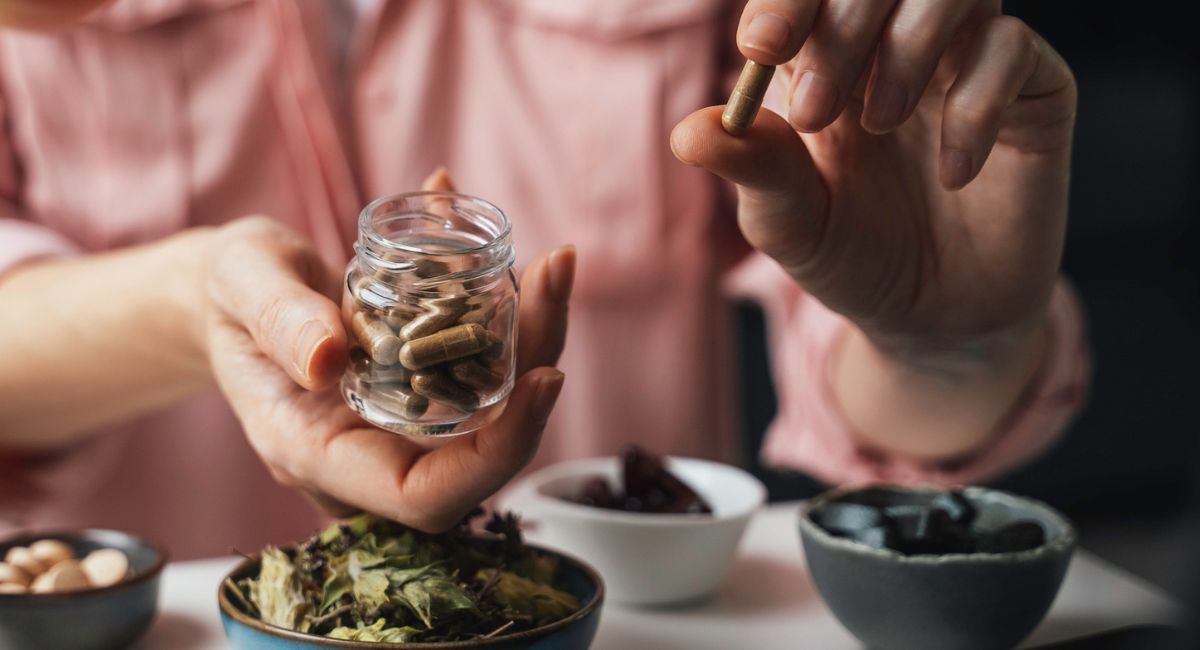
Ayurvedic and natural medicine clinician Sam Watts, who has a PhD in cancer research, shares five of Ayurveda’s most celebrated anticancer herbal remedies and how best to harness their healing power
Over the last two decades, there’s been an explosion of research into the anticancer impacts of a huge array of herbs, including those central to Ayurveda, one of the world’s oldest holistic healing systems.
The evidence clearly shows these herbs possess immense potential to support the collective health and well-being of those living with cancer. But so often this potential remains unknown and untapped by those who need it most.
Here’s an evidence-based exploration of a selection of the most important anticancer herbs available to us: how they work, the evidence to support them and how best to use them safely.
Before we get onto my selection of herbs, we need to change the lens through which we understand them and the uniquely synergistic ways in which herbs work in the face of cancer.
Herbs are not chemically engineered pharmaceutical medicines, nor do they work in the same way. When the pharmaceutical industry creates a new drug, it typically identifies a whole herb that shows promise in treating a particular health issue and then isolates the specific compound responsible for this action. It then finds ways to concentrate this compound to increase its bioavailability in the body so that it works more powerfully and effectively.
Take the common foxglove plant, for instance, which has been used by traditional healers to treat heart failure, congestive artery disease and arrhythmias for centuries. Upon detailed investigation, these benefits were attributed to the cardiac glycosides found within foxgloves. Drug makers isolated and developed the glycosides into the licensed pharmaceutical drug digoxin, one of the most widely prescribed heart drugs in the world.
The process of isolating, removing and concentrating individual plant-based compounds in this way is not necessarily a bad thing, but this is not how herbal medicines work. Herbs are incredibly complex in design, and any given herbal medicine typically contains hundreds of individual bioactive compounds that account for its healing capacity.
As soon as we extract one particularly important compound and ignore all the others, we immediately lose the synergistic and unique healing potential of that herb.
A great example is arguably the most famous Ayurvedic anticancer herb of them all: turmeric. In the Western clinical understanding, an isolated compound within turmeric called curcumin is responsible for the potent anticancer actions observed in clinical research.
But curcumin accounts for less than 5 percent of the bioactivity found within turmeric root, which contains more than 300 additional bioactive components. These other compounds are vital to activating the anticancer activity of curcumin—so much so that when curcumin is tested in clinical studies in isolation, it consistently underperforms in comparison to when it’s used as a whole herb.
For example, researchers have observed that compared to isolated curcumin, turmeric without curcumin still had a significant impact on regulation of inflammatory markers, blood sugar levels and cell division.1 All three of these variables play an important role in cancer biology.
In another study, an extract of whole turmeric, in its pure and unadulterated form, significantly outperformed isolated curcumin in regulating perforin.2 Perforin is a protein that plays an integral role in controlling immune activity, including in the tumor microenvironment. It also helps regulate cell replication, which makes it a key regulator of cancer cell proliferation.
While this is a single example of one particular herb, the same principle applies to all herbs in all contexts. When using herbs, we need to recognize their unique holism and stay true to the authentic practices of traditional systems of medicine like Ayurveda. This is why I endorse the use of pure, whole, unadulterated herbs rather than supplements derived from isolated herbal compounds.
As well as greater efficacy, another benefit of using only whole herbs is better safety profiles. When you isolate an individual compound from an herb and package it as a supplement, you create an incredibly potent product with much greater amounts of phytonutrients than nature intended.
These isolated and concentrated herbal supplements, in an unnatural form, are far more likely to cause side effects and adverse reactions than whole-herb equivalents in the forms in which nature gave them to us.
But when used properly, herbal medicines can be of immense value within the arena of cancer survivorship. Wise use of herbal medicines is one of the nine most common practices among those who experience exceptional cancer survivorship, particularly in those with advanced and incurable cancers.3
Hundreds of herbal medicines possess proven anticancer activity. This means they can help suppress the growth and proliferation of cancer cells via a multitude of mechanisms. They might activate immune activity within the tumor microenvironment, stimulate the death of cancer cells or suppress cancer cell proliferation.
Here are five of the most celebrated Ayurvedic anticancer herbal remedies. All are easy to find, have robust evidence to support their use, have clear safety data and can be combined into a single herbal prescription for daily use (see below for my formula).
Emblica officinalis
Aka Indian gooseberry or amalaki
Amla is the gooseberry-sized fruit of the Emblica officinalis tree indigenous to India and the Middle East. It’s one of the most valued and worshipped plants in Ayurveda, from both medicinal and spiritual perspectives, and its use goes back thousands of years.
According to the Charaka Samhita, thought to have been composed as early as 400 BCE, of all the rejuvenating and strengthening tonic herbs in Ayurveda, amla is the most important, effective and powerful.
There’s plenty of Western evidence to support this claim, not least that amla is officially regarded as the richest natural source of vitamin C in the plant kingdom. One fruit (the size of a small grape) contains more vitamin C than three to four oranges.
The amla berry also contains a variety of vital phytonutrients, such as phenolic acids, flavonoids and tannins, along with calcium, potassium, iron and B vitamins.4
Anticancer evidence
In ovarian cancer cells, amla has been shown to prevent cancer spread by suppressing the ability of cells to invade neighboring tissues.5 The same study found amla inhibits angiogenesis, the process of creating new blood vessels to fuel tumor growth.
Amla also suppresses a key cancer growth promoter called IGF-1 (insulin-like growth-factor 1), an action that has been linked to better outcomes in many cancers.6 It contains a massive volume of plant-based polyphenols that protect against DNA damage, regulate cancer-specific inflammatory mechanisms and stop the cell cycle in many different types of cancer.7
Plus there is mounting evidence in animal studies that amla can help protect against the side effects and toxicity of both radiotherapy and chemotherapy.8
Test tube studies have also revealed that amla is clinically effective in killing a wide variety of different cancer cells, including lung, ovarian, cervical and breast cancers.9 It’s a potent immune stimulant that can optimize the overall function of the immune system, largely due to its high antioxidant levels.10
Although much of this research has been done mainly in laboratory and rodent studies, it explains why this potent anticancer herbal medicine is so valued and so revered within the Ayurvedic framework.
Withania somnifera
Aka winter cherry or Indian ginseng
As one of the most important herbal medicines in Ayurveda, ashwagandha has been used in India for thousands of years. While all parts of the plant reportedly have medicinal value, the roots are most commonly used as medicine. They contain a myriad of medically active compounds, including the celebrated withanalides responsible for many of the plant’s healing impacts.
The roots also contain a treasure trove of other powerful compounds, including the antioxidants superoxide and glutathione (which possess proven anticancer actions), iron, amino acids, choline, alkaloids, and anticancer lignans and tannins.
Anticancer evidence
Ashwagandha has been employed as an anticancer herb within Ayurvedic medicine for millennia. And modern-day clinical research shows that ashwagandha and the compounds it contains act against many of the hallmarks of cancer.
The herb can help block cancer cell proliferation, reactivate tumor suppressor genes, suppress angiogenesis, inhibit metastasis, stabilize DNA, suppress pro-cancer anti-inflammatory pathways and improve cancer-specific immune activity.11
Ashwagandha has also been shown to reduce chemotherapy-induced neutropenia, a low number of a type of white blood cell.12 While the research was conducted in mice, it provides early evidence for the use of ashwagandha alongside chemotherapy to help reduce treatment side effects.
Indeed, in those with breast cancer, ashwagandha was shown to alleviate chemotherapy-induced fatigue and improve quality of life.13
Astragalus membranaceus
Aka milk-vetch root
Astragalus, an herbaceous perennial that grows in grassy regions and on mountainsides, originates in China, where it’s revered as one of the most important herbal medicines.
Within Traditional Chinese Medicine (TCM), astragalus is known as huang qi, “yellow leader.” This name refers to the yellow interior of the root but more so to the plant’s position of prestige among Chinese medicine practitioners, who often refer to it as the “leader of all other herbal medicines.”
Astragalus contains a selection of powerful constituents, such as triterpenoid saponins, polysaccharides, isoflavonoids, phytosterols and essential oils. Both individually and collectively, these are responsible for the health gains associated with the use of astragalus.
Anticancer evidence
Clinical research shows astragalus fights lymphomas and colorectal, ovarian, stomach, liver, lung, cervical, breast and nasopharyngeal cancers.14 It has been shown to induce aggressive apoptosis (cell death) in many types of cancer lines while blocking angiogenesis and tissue invasion.15
Similarly, astragalus has potent immune-modulating impacts. It has been shown to increase anticancer immune activity in the tumor microenvironment.16 It’s probably due to a combination of these mechanisms that astragalus is linked to longer survival times in certain types of cancer, such as acute myeloid leukemia.17
What’s more, it may reduce the side effects of both chemotherapy and radiotherapy treatments.18 For example, it counters immune suppression,19 nausea and vomiting,20 and fatigue21 caused by cancer and/or chemo and improves survival rates and quality of life.22
Triphala is, without a doubt, the most famous Ayurvedic herbal formula. It’s not a single herb but an equal mix of three dried superfruits: amla (Emblica officinalis), bhibitaki (Terminalia bellirica) and haritaki (Terminalia chebula). Each of these herbs is incredibly powerful in its own right, but the combination is much greater than the sum of its parts.
Triphala possesses an abundance and broad variety of phytonutrients. Specifically, it contains high levels of antioxidants from the flavonoids, polyphenols, saponins and high volumes of vitamin C within the fruits. It also has high concentrations of three further antioxidants—gallic acid, ellagic acid and chebulinic acid—all of which have been shown to have anticancer actions.
Anticancer evidence
Triphala is anti-proliferative and apoptosis-inducing in a variety of cancers, including breast and prostate cancers.23 In laboratory studies, it has also been shown to slow the growth and migration of human gastric cancer cells.24
A unique action of triphala is its ability to kill cancer cells even when TP53 is deactivated. TP53 is the gene that tells the body how to make the protein p53, a tumor suppressor.25 Evidence shows it’s very difficult for a healthy cell to become cancerous unless it deactivates the gene, but most cancers have evolved to achieve this. Early research suggests triphala may be able to reactivate it, but further research is required.
The high antioxidant levels in triphala have multiple anticancer actions, such as inducing cell death in breast cancer cells.26 Another key research highlight is that triphala suppresses the activity of the inflammatory compound NF-κB, which fuels the growth of cancer cells and supports virtually every action that cancer cells use to promote their own survival.27
Lastly, triphala possesses important and proven immune-modulatory benefits, both generally and specifically within the tumor microenvironment.28
Curcuma longa
Aka Haridra
Turmeric, one of the most prized and revered herbs within Ayurveda, is commonly called jayanti, which translates from Sanskrit as “the one that is victorious over disease.” This is an apt title as turmeric is one of the most clinically investigated herbal medicines in the world, showing efficacy in the management and prevention of a whole raft of diseases.
It’s also the celebrity of anticancer herbal medicine research, with decades of evidence to highlight its efficacy in the suppression of cancer cell biology.
Turmeric is a perennial rhizome (an underground stem much like a root) that grows abundantly across India and Sri Lanka. Peeling the fresh rhizome reveals an explosion of orange/yellow due to the yellow pigment in curcumin, one of the most active compounds in turmeric.
Within the rhizome is an abundance and complex array of phytonutrients responsible for its health-giving abilities. These include essential oils, such as sesquiterpene bisabolenes, zingiberene, phellandrene, sabinene, cineole and borneol, as well as terpenes and curcuminoids such as curcumin.
Anticancer evidence
Extensive research over the last two decades has produced compelling evidence that turmeric, and the active compounds within it, can interrupt multiple cell signaling pathways to suppress cancer development, growth and progression.29
This includes promoting apoptosis in cancer cells, suppressing angiogenesis, inhibiting proliferation, blocking the mechanisms of tissue invasion and spread, reducing pro-cancer inflammatory mechanisms, increasing antioxidant defense and blocking cancer-promoting NF-κB.
A therapy including turmeric also worked to reduce pain and inflammation in breast cancer patients taking aromatase inhibitors, a hormonal treatment.30 Currently, clinical trials are underway to test turmeric as a supportive therapy for blood cancers such as multiple myeloma.31
However, there is clear evidence that turmeric can negatively interact with certain types of chemotherapeutic drugs, so it’s essential to check with your clinical care team before using this herb in any capacity.
When using herbal medicines to treat cancer, personalized advice and care can make all the difference. I strongly recommend you seek the advice of a qualified Ayurvedic clinician or medical herbalist so they can support and advise you in an individualized and safe way.
Also see “Using Herbal Medicines Safely” (below) before using any of these herbs, particularly if you’re undergoing any form of conventional cancer treatment. With that covered, here’s a simple and easy way to integrate these herbs into your daily self-care regime.
The simplest way to harness all the benefits of the anticancer herbs mentioned here is to combine them into a single formulation. This makes them quick and easy to use and maximizes their therapeutic impact. Here’s what to do:
Here’s what you’ll need:
100 g (3.5 oz) ashwagandha powder
100 g triphala powder
100 g astragalus powder
100 g turmeric powder
40–50 mL (1.5 oz) amla juice or 100 g amla powder
In the face of cancer, everyone’s body, immune status, liver functionality and myriad other physiological variables are different. When deciding to use these herbs, it’s vital to ensure they’re safe for you.
The best way to do this is to maintain complete transparency with your consultant and clinical care team. Meet with them and tell them you’re thinking about starting an evidence-based herbal medicine regime as a supportive therapy to your conventional cancer care. Tell them the specific herbal medicines you’re looking to start and your rationale for doing so.
To allow your consultant to make an informed decision about your request, point them to an incredibly helpful online resource managed by one of the world’s leading cancer research centers, the Memorial Sloan Kettering Cancer Center (MSKCC) in the US. MSKCC leads the way in integrative cancer management that combines the best of both conventional and complementary medicine.
To support this objective, it runs an exceptionally well-researched and up-to-date herbal medicine database that you can easily find online by typing “MSKCC herbal database search” into your search engine. This database provides detailed and evidence-based explorations of all the primary herbal medicines used in cancer care and has sections for both patients and healthcare professionals.
All the herbal medicines discussed in this article are included, along with all their potential side effects, safety issues and drug interactions. Giving your consultant access to this database will allow them to assess the safety and merits of using the herbs here in your unique clinical circumstances.
If your consultant is happy for you to use the anticancer herbal formulation I’ve described here (see above), then you can do so with confidence that your care team is fully aware of this and has deemed it safe.
This greatly reduces the risk of any adverse reactions or negative drug interactions. However, if your consultant doesn’t think these herbs are safe for you, please follow their advice. They are best placed to make this decision based on their in-depth knowledge of your clinical status.
Adapted from Sam Watts’s new book The Ayurvedic Approach to Cancer (Chelsea Green Publishing, 2025) with permission from the publisher
What do you think? Start a conversation over on the... WDDTY Community

Great news! Discounts are available based on your cart total. Check the details below:


